
Unlock Your Peak Energy
Discover the science-backed foods that power your day. Real nutrition knowledge for the modern man.
The information on this site is for educational purposes only and does not constitute medical advice. Always consult a qualified healthcare professional before making health decisions.
Top Energy-Boosting Foods for Men
Nutrient-dense foods that sustain energy, build strength, and support peak performance

Salmon
Rich in omega-3 fatty acids, salmon supports cardiovascular health and sustained energy production. Perfect protein source for muscle recovery after workouts.

Eggs
Complete protein containing all nine essential amino acids. Eggs provide sustained energy and choline for brain function and mental clarity throughout the day.
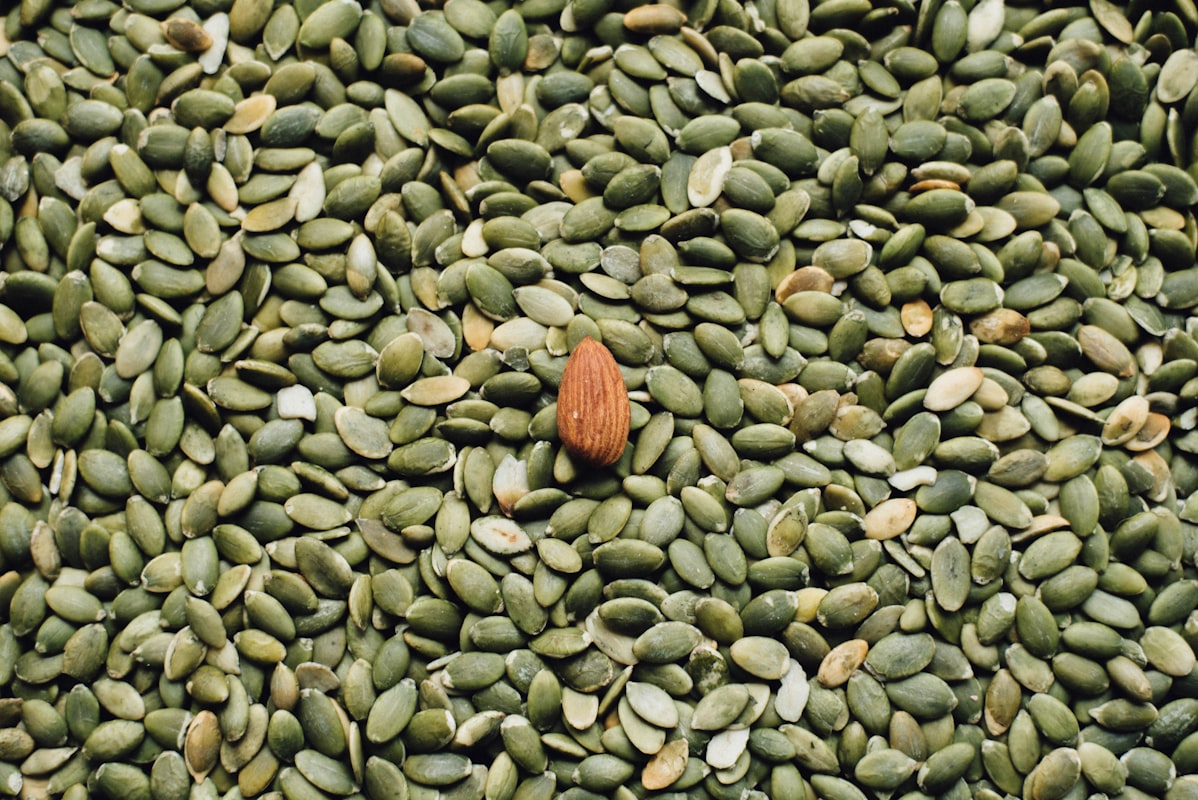
Oatmeal
Complex carbohydrates in oats release energy slowly, preventing energy crashes. High in soluble fiber, supporting digestive health and consistent stamina.
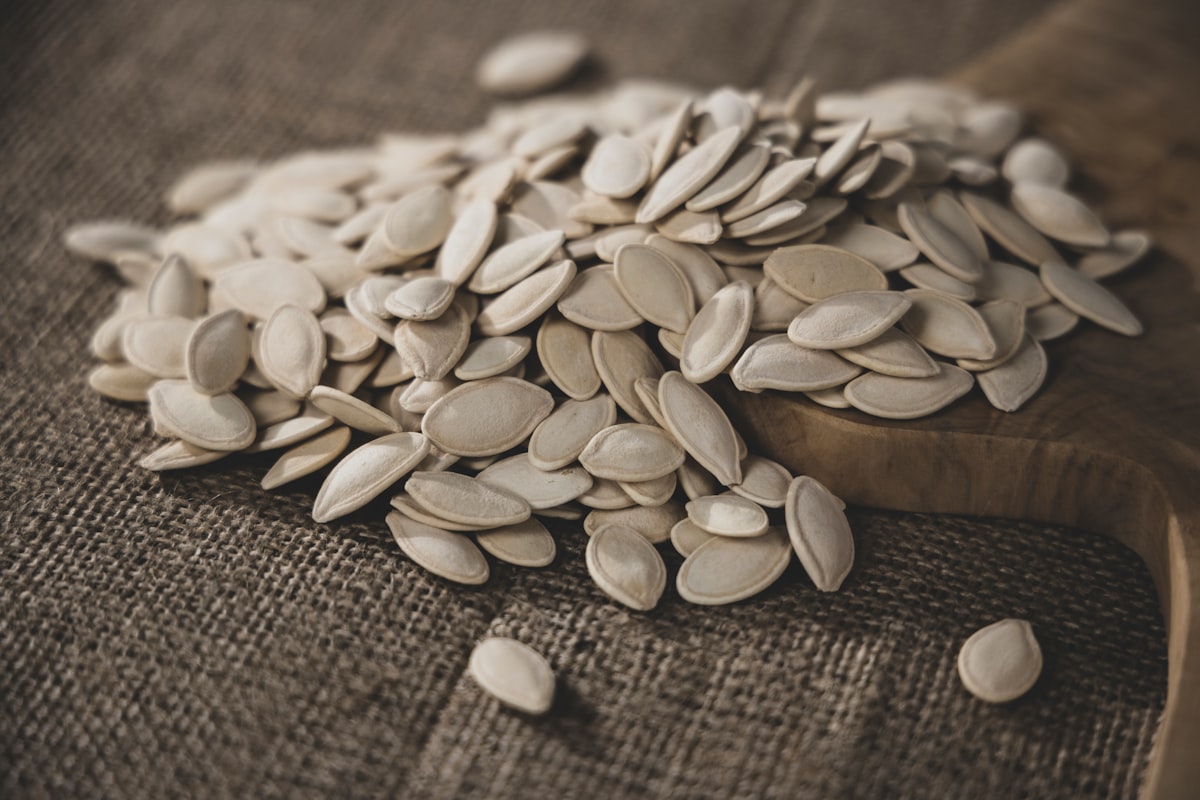
Almonds
Packed with magnesium, which plays a critical role in energy production at the cellular level. Healthy fats and protein make them an ideal mid-day energy snack.
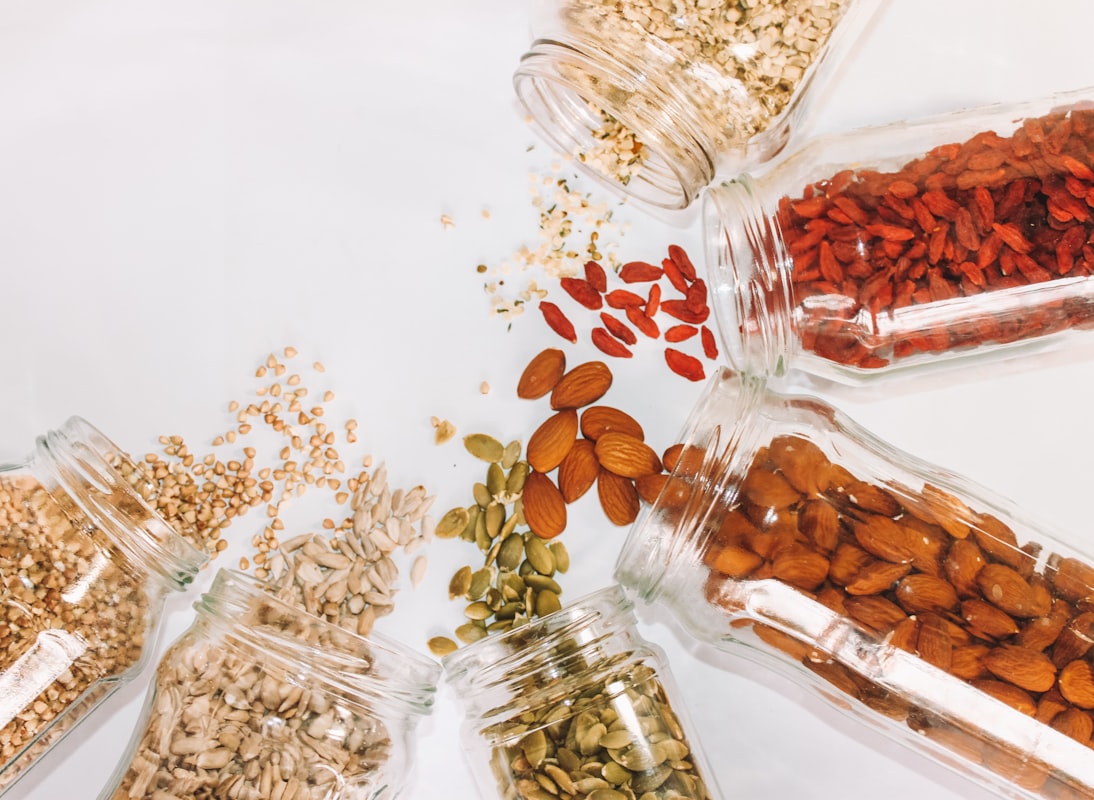
Bananas
Natural source of quick-acting carbohydrates combined with potassium, which regulates muscle function. Great pre-workout food for sustained performance.
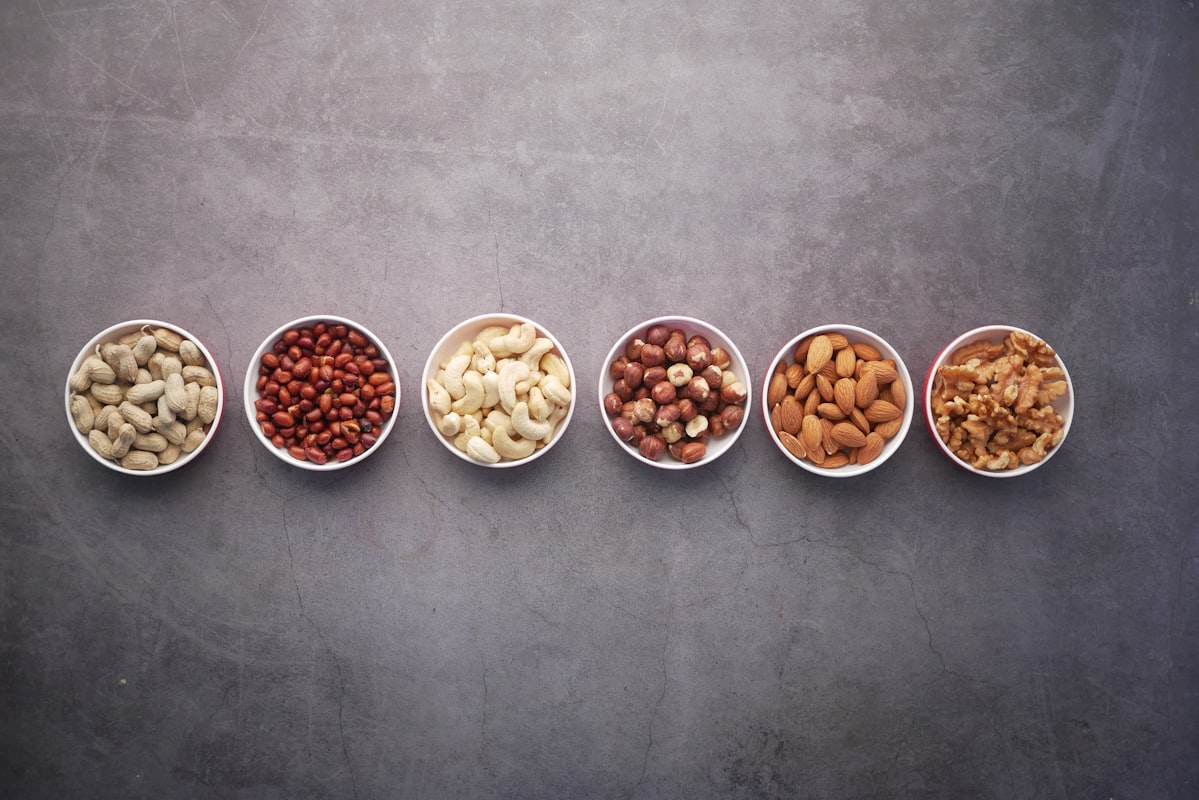
Spinach
Leafy greens like spinach contain iron for oxygen transport and antioxidants that combat fatigue. Low-calorie energy booster packed with essential minerals.
Understanding Sustainable Energy
Many men rely on caffeine and sugar for quick energy fixes, but these create crashes that leave you more exhausted. Real energy comes from nutrient-dense whole foods that support your body's natural processes.
By understanding how different nutrients fuel your system—from complex carbohydrates that stabilize blood sugar to proteins that build muscle endurance—you can make food choices that keep you energized throughout the day without the afternoon slump.
Stable Blood Sugar
Whole foods prevent energy crashes and maintain consistent focus
Muscle Recovery
Adequate protein repairs muscle tissue and supports strength gains
Mental Clarity
Nutrients like choline and omega-3s support cognitive function and focus
Athletic Performance
Strategic nutrition timing maximizes workout results and endurance

How Your Body Uses Food for Energy
The science behind sustainable fuel for your system
Digestion Begins
When you eat, your digestive system breaks down food into smaller molecules. Carbohydrates convert to glucose, proteins to amino acids, and fats to fatty acids.
Nutrient Absorption
Nutrients cross the intestinal wall into your bloodstream. Glucose triggers insulin release, amino acids spread throughout your body for tissue repair, and minerals support enzyme function.
Cellular Energy Production
In your cells, glucose and fatty acids enter the mitochondria (your cell's powerhouse). Through a process called oxidation, they produce ATP—the universal energy currency that powers every action.
Sustained Performance
Whole foods with balanced macronutrients fuel this process steadily. Complex carbs release glucose gradually, proteins maintain muscle, and healthy fats provide long-lasting energy reserves.
Ready to Transform Your Energy Levels?
Explore our comprehensive guide to energy-boosting foods and practical nutrition strategies for men.
Discover Full Food GuideWhat Our Community Says
Real insights from men who've transformed their energy and performance
"I used to crash mid-afternoon every single day. After learning which foods actually support sustained energy, I completely changed my eating habits. Now I stay focused from 6 AM until 9 PM without that exhausting energy dip. The guide explained the science so clearly that I actually understand why certain foods work."
Rendra Kusuma
Jakarta
"As someone who works long hours, I need reliable energy strategies. This resource showed me how to structure my meals throughout the day to maintain peak performance. My workouts improved, my mental clarity sharpened, and I finally understand nutrition beyond just 'eating healthy.' Game-changing information."
Adi Pratama
Surabaya
"I was skeptical at first, but the nutrition science really makes sense. I swapped my usual coffee-and-donuts breakfast for eggs and oatmeal, and the difference is remarkable. I have steady energy all morning, no energy crash, and I'm actually getting stronger. The content is practical and easy to implement."
Bambang Suryanto
Bandung
"The breakdown of how different nutrients function was eye-opening. I never realized how magnesium affects energy production until I read about it here. Once I started eating foods rich in the right minerals, my endurance improved dramatically. This isn't just food information—it's performance nutrition education."
Dimas Wijaya
Medan
Common Questions About Energy and Nutrition
Answers to help you understand sustainable energy strategies
Why do I feel tired after eating sugar?
Refined sugars spike blood glucose rapidly, causing your pancreas to release excess insulin. This sudden drop in blood sugar leads to fatigue and mental fog. Complex carbohydrates release glucose slowly, maintaining stable energy without the crash. Protein and healthy fats slow carbohydrate absorption, preventing these energy swings.
How much protein do I need for energy and muscle?
Most men benefit from 1.6-2.0 grams of protein per kilogram of body weight daily. This supports muscle repair, hormone production, and enzyme function. Distribute protein throughout the day—roughly 25-35 grams per meal—for optimal muscle protein synthesis and sustained energy. Quality sources include fish, eggs, poultry, and legumes.
Can I use caffeine alongside whole food nutrition?
Yes, moderate caffeine (200-400 mg daily) can enhance alertness and performance when combined with proper nutrition. However, don't rely on caffeine as your primary energy source. Use it to amplify the effects of solid nutrition and adequate sleep. Avoid caffeine within 6-8 hours of bedtime, as it disrupts restorative sleep that your body needs for true energy recovery.
What's the best pre-workout meal for sustained energy?
Consume a balanced meal 2-3 hours before exercise: lean protein (25-35g), complex carbs (40-60g), and minimal fat and fiber. Banana with almond butter, oatmeal with eggs, or chicken with brown rice work well. For workouts within 30-60 minutes, try a simple carb source like a banana. Post-workout, eat protein and carbs within 30-90 minutes to maximize recovery and energy restoration.
How does hydration affect energy levels?
Even mild dehydration (2% fluid loss) significantly reduces cognitive function, endurance, and energy. Aim for at least 2.5-3 liters of water daily, more if you exercise or live in a hot climate. Electrolytes (sodium, potassium, magnesium) help retain water and support muscle function. Monitor urine color—pale yellow indicates good hydration, dark yellow suggests you need more water.
Do I need supplements for energy, or is food enough?
Whole foods should be your foundation—they contain hundreds of beneficial compounds and better nutrient absorption. However, certain people benefit from targeted supplementation: magnesium if deficient, vitamin B12 if vegetarian, omega-3 if fish intake is low, or vitamin D in regions with limited sun. Always prioritize food first; think of supplements as additions to a solid nutritional foundation, not replacements.
Fitmalenutritionlab Resources
Comprehensive guides and articles about energy nutrition for men
Complete Food Guide
Detailed breakdown of 50+ energy-boosting foods with nutritional profiles, preparation tips, and best ways to combine them for maximum energy impact.
Read GuideNutrition Science
In-depth articles on the biochemistry of energy production, how macronutrients work in your body, and the latest research on optimizing nutrition for peak performance.
Explore SciencePractical Strategies
Real-world meal timing, weekly plans, quick energy recipes, and practical strategies to implement energy-boosting nutrition into your busy lifestyle.
Learn MoreGet Nutrition Insights in Your Inbox
Receive practical nutrition articles, food science updates, and energy optimization strategies delivered to your email.
We respect your privacy. You can unsubscribe anytime. No spam, only curated nutrition content.
Start Your Energy Transformation Today
Discover the science-backed approach to nutrition that sustains peak energy, improves performance, and supports long-term health. Join our community of men who've mastered nutrition for success.
Success Stories from Our Community
Real men, real results. See how Fitmalenutritionlab has transformed nutrition habits and energy levels.
James Mitchell
Fitness Enthusiast
"The energy food guides completely changed my workout performance. I'm hitting new PRs every week and my recovery is faster than ever."
Ryan Chen
Business Professional
"Balancing work and fitness seemed impossible until I found these nutrition strategies. My energy lasts all day, and I've lost significant weight."
David Kovalski
Athlete & Coach
"I recommend Fitmalenutritionlab to all my clients. The science-backed approach and practical meal plans deliver real results."
Frequently Asked Questions
Get answers about nutrition, energy optimization, and men's health.
What makes male nutrition different from general nutrition?
Men have unique nutritional needs due to differences in muscle mass, hormonal profiles, and metabolic rates. Fitmalenutritionlab focuses on protein optimization, testosterone-supporting nutrients, and energy systems designed for male physiology.
How quickly will I see results from better nutrition?
Most men notice improved energy within 3-5 days of implementing our guidelines. Visible body composition changes typically appear within 2-4 weeks, while significant strength and performance gains develop over 6-12 weeks.
Do I need supplements to follow your nutrition plans?
No. All our core nutrition strategies are based on whole foods. While quality supplements can enhance results, they're completely optional. We believe food should be your foundation, with supplements filling specific gaps.
Can I customize plans for my specific goals?
Absolutely. Our resources cover muscle building, fat loss, athletic performance, and general wellness. We provide guidance on personalizing macros, meal timing, and nutrient ratios based on your specific objectives and lifestyle.
Is this diet sustainable long-term?
Yes. We emphasize sustainable, flexible nutrition principles rather than restrictive diets. Our approach focuses on creating habits you can maintain for life, allowing for social eating and flexibility while achieving your health goals.